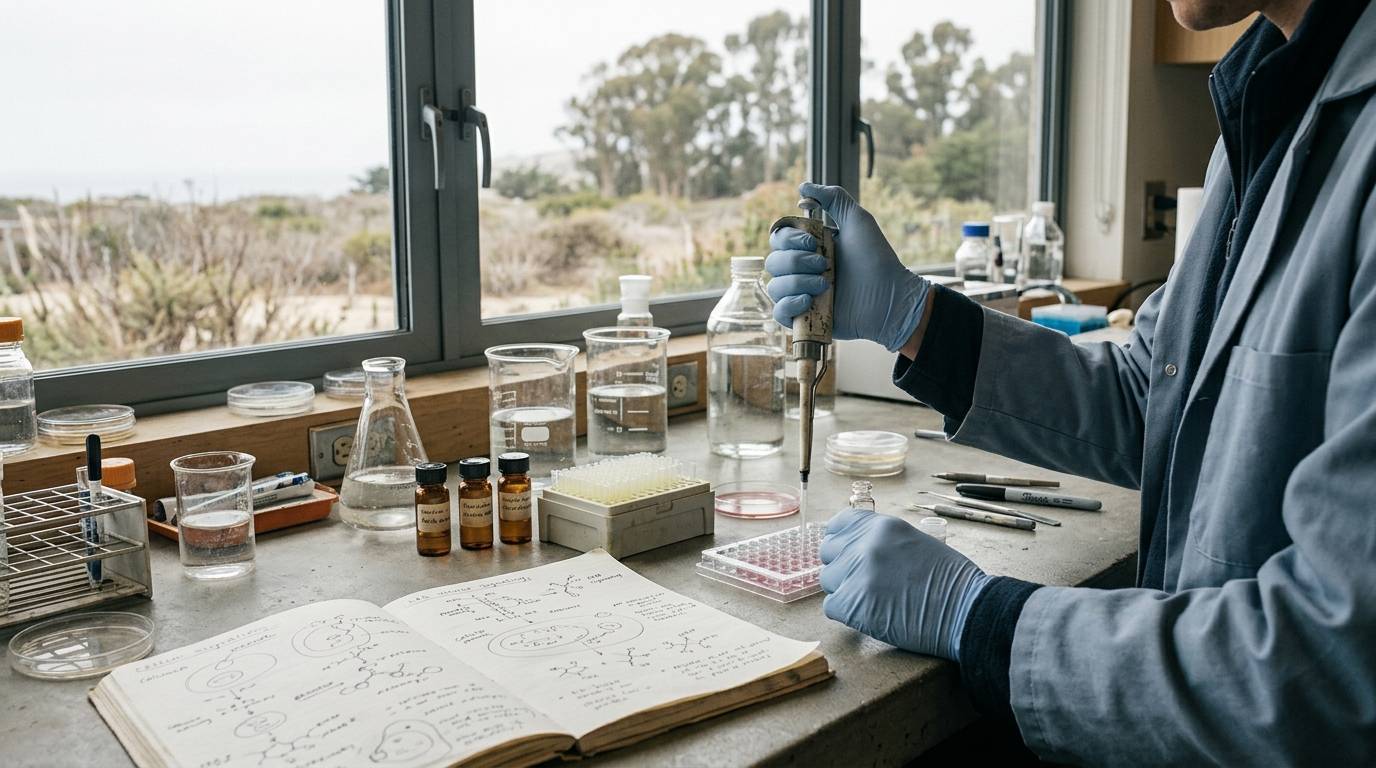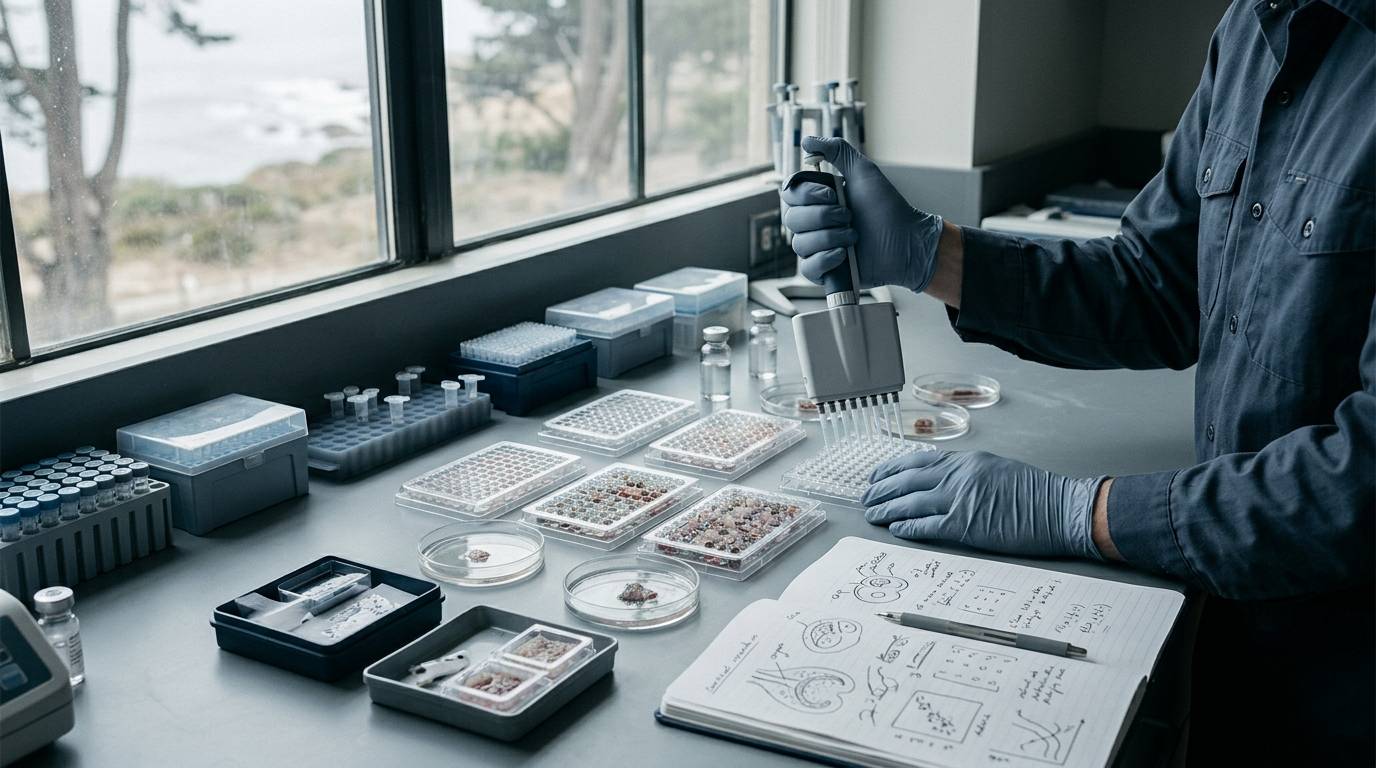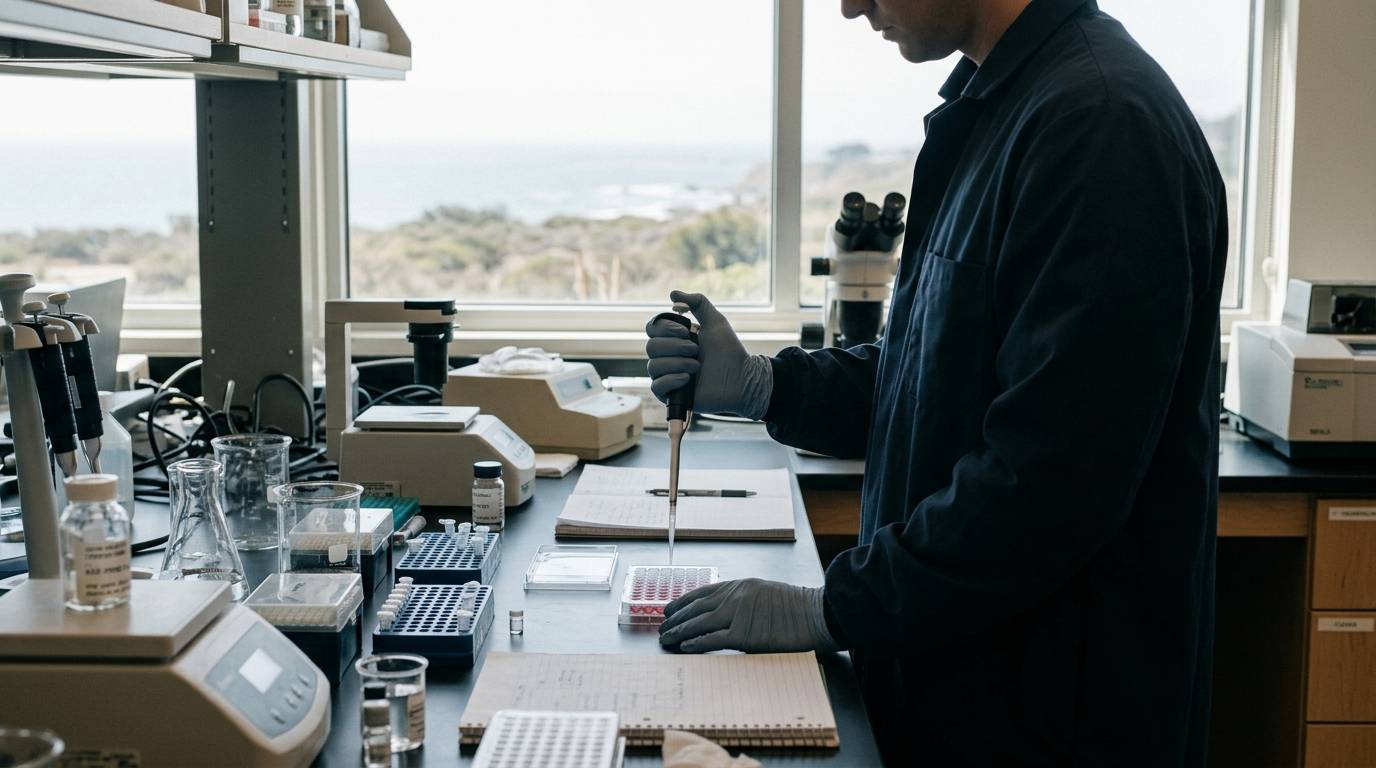
Animal models of tissue repair are controlled laboratory systems designed to replicate specific phases of biological wound healing. They are not universal stand-ins for human physiology. Selecting an appropriate model requires researchers to define their experimental question, recognize anatomical boundaries, and apply established ethical frameworks. This resource evaluates the species commonly used in literature, the scientific constraints of cross-species extrapolation, and the core principles governing ethical experimental design.
Why Does Research Hypothesis Dictate Animal Model Selection?
In tissue repair research, no single organism mirrors every facet of human biology. A comprehensive literature analysis evaluating wound-healing publications between 1993 and 2017 established that model selection directly depends on the specific hypothesis under investigation. Choosing a model without aligning it to the biological question can distort the resulting data.
Experimental tissue repair includes inflammatory signaling, cellular migration, matrix deposition, and structural remodeling. Certain experimental models highlight specific phases more clearly than others. When researchers measure distinct biochemical variables, evaluating preclinical evidence levels helps isolate whether a model addresses cellular mechanisms or systemic physiology. A hypothesis centered on local vascular formation may call for an entirely different experimental system than a study examining long-term epithelial closure.
The 1993 to 2017 literature analysis also cautions that the experimental fidelity of each system must be scrutinized. Species-specific physiological limitations dictate how closely an animal tissue repair process resembles human tissue regeneration. As a result, selecting an organism is not simply a matter of convenience. It requires balancing experimental resolution with relevant biological constraints.
Which Species Are Commonly Used in Tissue-Repair Research?
The literature analysis across 1993 to 2017 identified five primary species most frequently evaluated in wound-healing publications:
- Mice
- Rats
- Pigs
- Rabbits
- Humans
Preclinical animal models represent distinct biological environments that differ from human tissues. While rodent models like mice and rats appear frequently in the scientific literature, their anatomical structures and healing mechanisms do not match human skin in every parameter. Rabbits and pigs also provide distinct structural contexts, each carrying specific advantages and technical limitations. Human clinical observational research, while cataloged within the literature alongside animal studies, represents an entirely separate evidence tier.
When examining data across these species, researchers must avoid conflating results from one organism with another. Observing cellular movement or structural recovery in an animal model does not guarantee identical biological behavior in humans. Understanding the distance between binding and biological effect in experimental models is critical for evaluating whether observed laboratory events translate into meaningful systemic responses.
What Are the Key Limitations in Translating Animal Findings to Humans?
Translational failure remains a major challenge in regenerative biology. The literature analysis explicitly emphasizes that species-specific limitations must be accounted for whenever attempting to extrapolate animal findings to human patients. Differences in tissue architecture, immune signaling, and mechanical stress create substantial divergence between non-human models and human clinical biology.
Preclinical experiments operate in tightly controlled laboratory environments. In contrast, clinical wound repair involves broad genetic diversity, systemic illnesses, and varied environmental exposures. Misinterpreting laboratory activity as definitive proof of clinical outcomes creates significant translational risk. For this reason, investigators must treat preclinical repair signals as hypothesis-generating observations rather than evidence of therapeutic performance.
Researchers must also distinguish between synthetic compound characterization and biological efficacy. An analytical report or Certificate of Analysis verifies the chemical identity or purity of a specific test sample. These laboratory analytical methods do not prove tissue performance, systemic safety, or clinical repair outcomes. Documenting purity simply ensures material consistency prior to testing in biological models.
How Do the 3Rs Guide Ethical Model Selection?
Ethical stewardship is fundamental to experimental tissue repair. The National Centre for the Replacement, Refinement and Reduction of Animals in Research defines the 3Rs as an international standard for humane scientific practice. These principles govern how research models are selected, designed, and executed.
The framework rests on three distinct responsibilities:
- Replacement: Substituting animals with non-animal alternatives, such as cell cultures or computational systems, whenever scientifically feasible.
- Reduction: Minimizing the total number of animals used per experiment while maintaining adequate statistical power to fulfill scientific aims.
- Refinement: Modifying experimental housing, protocols, and handling to minimize potential pain, suffering, distress, or lasting harm.
Adhering to the 3Rs prevents redundant animal testing and enhances methodological discipline. By calculating sample sizes precisely and choosing non-animal alternatives where possible, laboratories maintain rigorous experimental standards while respecting scientific welfare boundaries. Careful study design directly supports reproducibility across regenerative literature.
How Should Investigators Interpret Preclinical Repair Data?
Interpreting preclinical tissue repair data requires an objective view of the evidence hierarchy. Literature reviews synthesize previous publications, while original laboratory experiments present isolated empirical observations. Neither format constitutes human clinical validation. When interpreting preclinical study results, readers must separate observed cellular mechanisms from unproven clinical claims.
Findings from rodent or swine models provide valuable mechanistic hypotheses about tissue response. However, these findings cannot establish human dosing, clinical safety, or predictable therapeutic outcomes. Keeping scientific evaluations tied strictly to the published parameters ensures that regenerative research advances with clarity and intellectual rigor.
Frequently Asked Questions
Can a single animal model represent all types of human tissue repair?
No single animal model captures all aspects of human healing. Research demonstrates that model selection depends on the exact hypothesis, because species-specific limitations alter how tissues close, remodel, and resolve inflammation.
Why are pigs and rodents both used in wound-healing studies?
Mice, rats, pigs, rabbits, and humans represent the five most commonly utilized species in the audited literature. Rodents provide accessible systems for early mechanistic testing, whereas other species offer alternative anatomical characteristics for specific repair questions.
Does a Certificate of Analysis prove that a research compound will promote tissue repair in animals?
No. A Certificate of Analysis only documents the analytical identity, purity, or composition of a specific submitted sample. It provides no evidence regarding biological activity, physiological mechanisms, animal safety, or tissue regeneration.
How does the Reduction principle affect study design?
Reduction requires researchers to use the minimum number of animals necessary to answer the scientific question. This requires robust statistical power calculations to ensure the experiment yields valid data without using surplus animals.
Sources
Introducing / CaliLean Field Notes
A little more
perspective.
An editorial letter for curious minds. Thoughtful reading, questions worth keeping and the sources behind them.
Explore Field Notes Join the list for the first edition